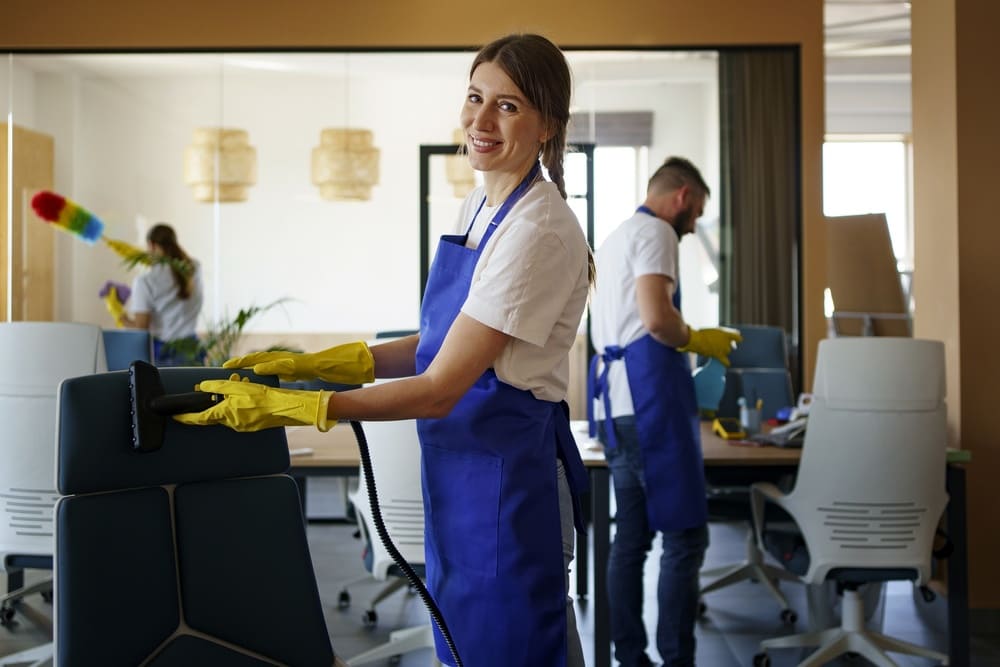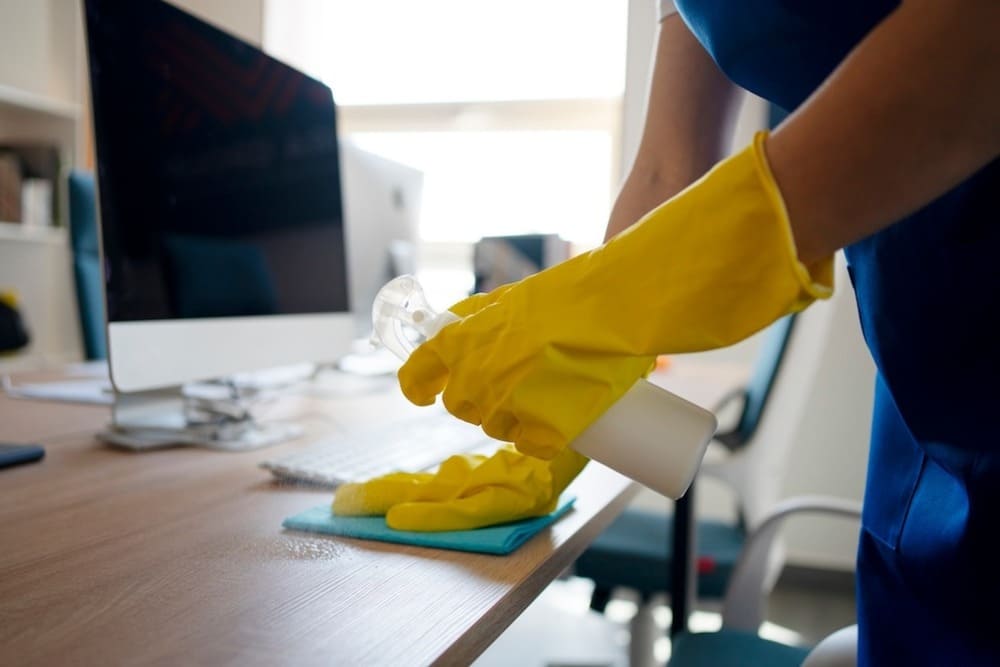
Finding the right team to maintain your office's cleanliness is more than a simple chore—it's a strategic business decision. A pristine workspace directly impacts employee health, productivity, and client perceptions. Yet, navigating the vast market of cleaning services to find a provider that is consistently reliable, thoroughly professional, and perfectly suited to your local area can feel overwhelming. This guide cuts through the noise, providing you with data-driven insights and actionable steps to secure a cleaning partnership that delivers lasting value.
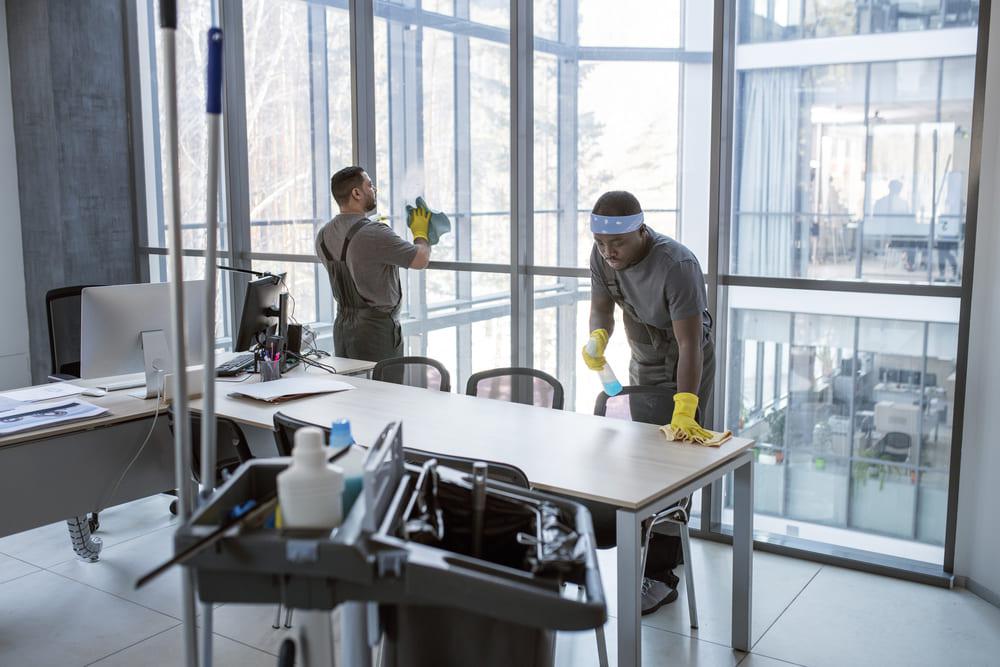
Why Professional Office Cleaning is a Non-Negotiable Investment 🤔
Before diving into the "how," let's solidify the "why." The return on investment (ROI) for professional cleaning is substantial and multifaceted. It's not just about a shiny floor; it's about creating a foundation for business success.
- Employee Productivity & Health: A study by the American Institute for Cleaning Sciences found that employees in clean offices are 40% more productive and take 25% fewer sick days. Reduced allergens, sanitized surfaces, and organized spaces create a healthier, more focused environment. The Harvard Business Review has published numerous articles linking workspace design and cleanliness to cognitive function and well-being.
- Client & Visitor Impressions: Your office is a physical extension of your brand. A spotless, well-maintained space communicates professionalism, attention to detail, and respect for those who enter. First impressions are formed in seconds, and cleanliness is a top factor.
- Long-Term Asset Protection: Regular, professional maintenance of carpets, upholstery, flooring, and equipment extends their lifespan, delaying costly replacements and preserving your capital investment.
The Key Criteria for Your "Ideal Cleaner" Checklist ✅
Not all cleaning services are created equal. Use this detailed checklist to evaluate potential candidates in your local area.
| Evaluation Criteria | What to Look For | Red Flags 🚩 |
|---|---|---|
| Licensing & Insurance | Full commercial liability insurance, worker's compensation, and proper state/local business licensing. Never hire without this. | Hesitation to provide certificates, lack of insurance, or "under-the-table" operations. |
| Experience & Specialization | Proven track record with offices of your size and type (e.g., medical, tech, legal). Ask for case studies or specific references. | A generic residential cleaner trying to pivot to commercial work without specific protocols. |
| Employee Screening & Training | Thorough background checks, formal training programs, and employees who are W-2 staff (not 1099 subcontractors), indicating greater accountability. | High turnover, no clear training materials, or use of unsupervised, random subcontractors. |
| Green Cleaning Practices | Use of EPA Safer Choice or Green Seal certified products and sustainable practices. This is crucial for indoor air quality and corporate ESG goals. | Reliance on harsh, chemical-heavy products with strong odors. |
| Communication & Tech | A dedicated account manager, easy-to-use communication channels (app, portal), and digital service reports. | Inaccessible management, paper-only checklists, poor response times. |
Comparing Service Models: What's Best for Your Office? 📊
Understanding the different operational models will help you find the best fit. Here's a comparative breakdown:
| Service Model | How It Works | Best For | Pros & Cons |
|---|---|---|---|
| National Franchise (e.g., Jani-King, Coverall) | Locally owned franchises operating under a well-known brand with prescribed systems. | Companies valuing brand recognition and standardized checklists across multiple locations. | ✅ Pros: Brand consistency, structured training, often strong insurance. ❌ Cons: Can be less flexible, potentially higher costs, service varies by franchise owner. |
| Local, Established Company | A privately owned, mid-sized business deeply embedded in your community. | Most businesses seeking a balance of professionalism, personalized service, and local accountability. | ✅ Pros: High flexibility, direct owner communication, invested in local reputation. ❌ Cons: Scaling limits for huge facilities, may have less flashy tech. |
| Specialized / Boutique Cleaners | Focus on niche sectors like biohazard cleanup, post-construction, or high-tech facilities. | Offices with very specific needs (e.g., labs, sensitive server rooms, design studios). | ✅ Pros: Deep expertise in complex requirements. ❌ Cons: Often premium pricing, may not handle routine daily cleaning. |
| App-Based / On-Demand Platforms | Connect you with individual cleaners or small teams via a digital platform for one-time or recurring jobs. | Very small offices, startups, or infrequent cleaning needs. | ✅ Pros: Convenience, easy booking. ❌ Cons: High risk: Variable quality, often lack proper commercial insurance, high cleaner turnover. Not recommended for most offices. |
Your Step-by-Step Hiring Action Plan 🚀
- Define Your Scope & Budget: Detail every space (open office, kitchens, restrooms, etc.), desired frequency (nightly, 3x/week), and special requests (window washing, carpet deep cleans). A clear scope allows for accurate, comparable quotes.
- Source Local Candidates: Go beyond a simple Google search. Ask for referrals from your business network in local chambers of commerce or professional associations. Platforms like Angi for Business or The Janitorial Store can also provide vetted lists.
- Conduct Rigorous Vetting: This is critical. Request proof of insurance and licenses. Interview 3-4 finalists. Ask: "What is your process for cleaning and disinfecting high-touch points?" "How do you handle staff turnover or last-minute call-offs?" "Can you provide 2-3 references from current office clients?"
- Review the Contract Meticulously: Ensure it includes a clear scope of work, all costs, insurance requirements, termination clauses, and a service level agreement (SLA) outlining performance standards and resolution procedures for missed cleans.
- Start with a Trial Period: Never sign a long-term contract immediately. Agree on a 30-60 day trial. This allows you to assess quality, reliability, and communication fit before making a long-term commitment.
Maintaining a Successful Partnership 🤝
Hiring is just the beginning. Foster a true partnership:
- Provide Feedback: Give constructive feedback promptly, not just complaints at month-end.
- Ensure Access & Security: Provide reliable building access and clear security protocols. Trust is a two-way street.
- Recognize Good Work: A simple thank you to the cleaning crew or positive feedback to the manager builds loyalty and morale.
Conclusion: Cleanliness is a Cornerstone of Culture 🏆
Investing time in hiring the right office cleaning service pays exponential dividends. It safeguards your team's health, elevates your professional image, and protects your physical assets. By following this strategic, data-informed approach, you can move beyond viewing cleaning as a mere expense and start recognizing it as a vital component of your operational excellence and company culture. A truly professional cleaner becomes a seamless, trusted extension of your team, allowing you to focus on what you do best—running your business.
Ready to start your search? A great first step is to consult the comprehensive commercial cleaning resources available at the International Sanitary Supply Association (ISSA), the leading trade association for the cleaning industry. Their insights can help you further refine your standards and expectations.