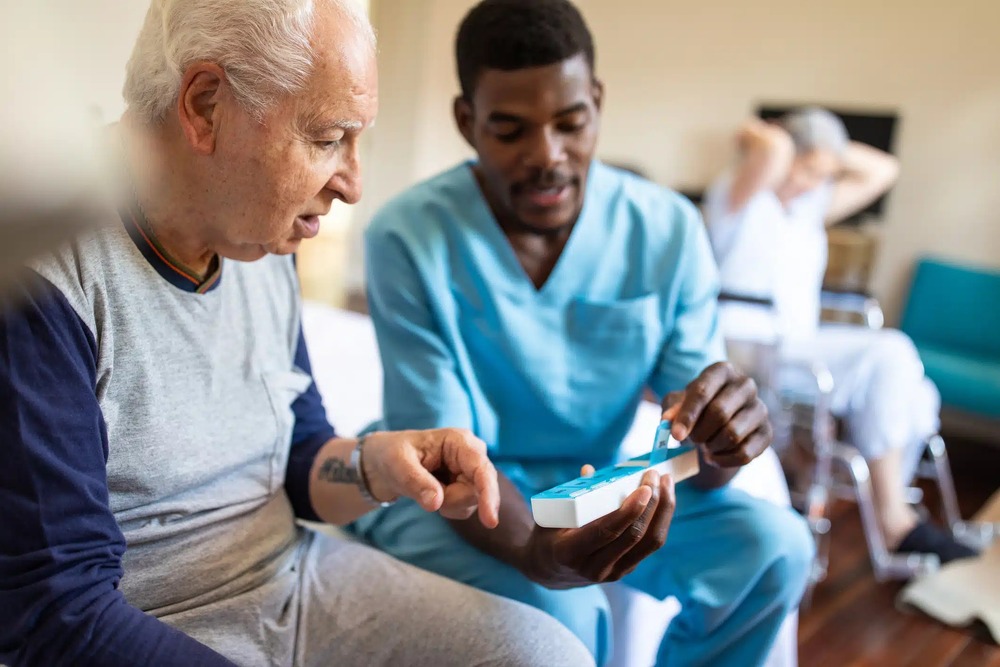
In recent years, the trend of receiving healthcare at home has gained significant momentum. With an increasing number of patients opting for in-home care services, it’s essential to understand the myriad benefits this approach offers. From enhanced comfort to improved health outcomes, professional in-home care is transforming the way we think about recovery and wellness. 🌟
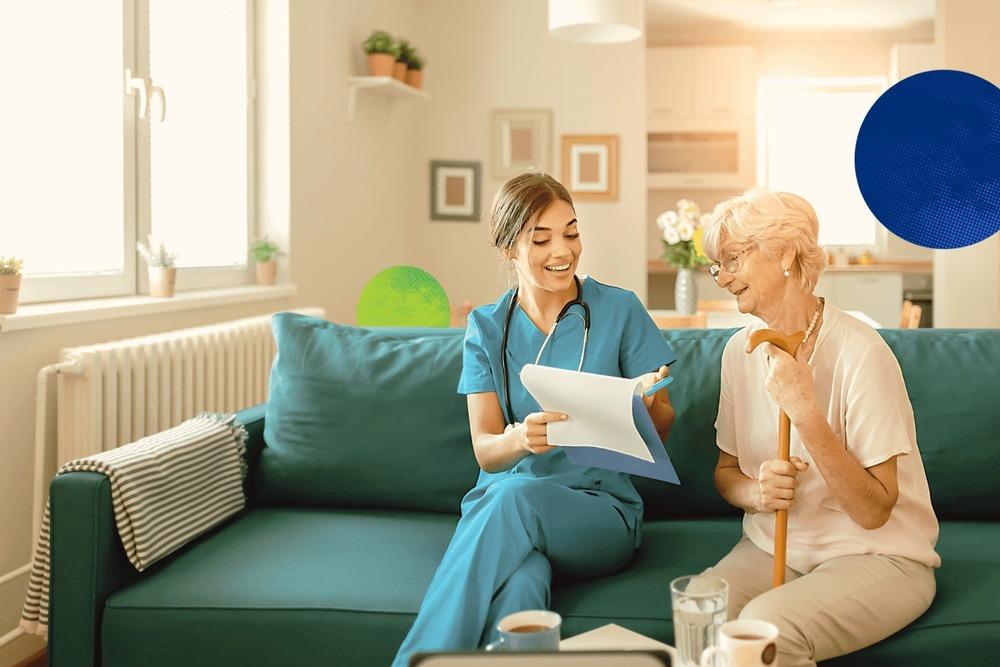
The Rise of In-Home Care
According to a report by the National Association for Home Care & Hospice, approximately 12 million people in the United States receive some form of home care. This number is expected to rise as the population ages and more individuals seek alternatives to traditional hospital stays. In fact, a study published in the Journal of the American Geriatrics Society found that patients receiving in-home care had a 25% lower risk of hospital readmission compared to those who did not. 📉
Key Benefits of In-Home Care
-
Personalized Care: In-home care allows for tailored treatment plans that cater to individual needs. Caregivers can focus on specific health issues, ensuring that patients receive the attention they require.
-
Comfort and Familiarity: Being in a familiar environment can significantly enhance a patient’s emotional well-being. Studies show that patients who recover at home report higher satisfaction levels and lower stress. 🏡
-
Cost-Effectiveness: In-home care can be more affordable than hospital stays. According to the Genworth Cost of Care Survey, the average cost of in-home care is about $24 per hour, compared to $1,000 per day for a hospital stay.
Comparative Cost Analysis
Here’s a breakdown of the average costs associated with different types of care:
| Type of Care | Average Cost per Hour | Average Daily Cost | Emoji |
|---|---|---|---|
| In-Home Care | $24 | $576 | 🏠 |
| Assisted Living Facility | $4,500 | $4,500 | 🏢 |
| Hospital Stay | $1,000 | $1,000 | 🏥 |
As illustrated in the table above, in-home care is not only more personalized but also significantly more cost-effective than other options.
Improved Health Outcomes
Research indicates that patients receiving in-home care experience better health outcomes. A study by the Home Care Association of America found that 70% of patients reported improved health after transitioning from hospital care to in-home care. This improvement can be attributed to several factors:
- Continuous Monitoring: Caregivers can monitor vital signs and medication adherence, ensuring that patients stay on track with their treatment plans. 📊
- Reduced Risk of Infections: Hospital environments can expose patients to various infections. In-home care minimizes this risk, allowing for a safer recovery process.
Patient Satisfaction Rates
A survey conducted by AARP revealed that 90% of seniors prefer to age in place, highlighting the importance of in-home care. Here’s a summary of patient satisfaction rates based on different care settings:
| Care Setting | Satisfaction Rate (%) | Emoji |
|---|---|---|
| In-Home Care | 90% | 😊 |
| Assisted Living | 75% | 🏢 |
| Nursing Homes | 60% | 🏥 |
The data clearly shows that in-home care not only meets the medical needs of patients but also addresses their emotional and psychological well-being.
The Role of Technology in In-Home Care
Advancements in technology have further enhanced the effectiveness of in-home care. Telehealth services, for instance, allow healthcare providers to monitor patients remotely, providing timely interventions when necessary. According to a report by the American Telemedicine Association, 76% of patients using telehealth services reported high satisfaction levels. 📱
Benefits of Telehealth in In-Home Care
- Accessibility: Patients can consult with healthcare professionals without the need to travel, making it easier for those with mobility issues.
- Real-Time Monitoring: Wearable devices can track vital signs and alert caregivers to any concerning changes, ensuring prompt action.
Conclusion
The shift from hospital to home care is not just a trend; it’s a necessary evolution in the healthcare landscape. With numerous benefits ranging from personalized care to improved health outcomes, professional in-home care is proving to be a viable alternative for many patients. As we continue to embrace this model, it’s crucial to recognize the importance of quality care and the role of technology in enhancing patient experiences.
For more information on in-home care services, you can visit Amedisys or Visiting Angels to explore the options available in your area. 🌈
In-home care is not just about recovery; it’s about living well. Embrace the change and consider the benefits of professional in-home care for yourself or your loved ones!